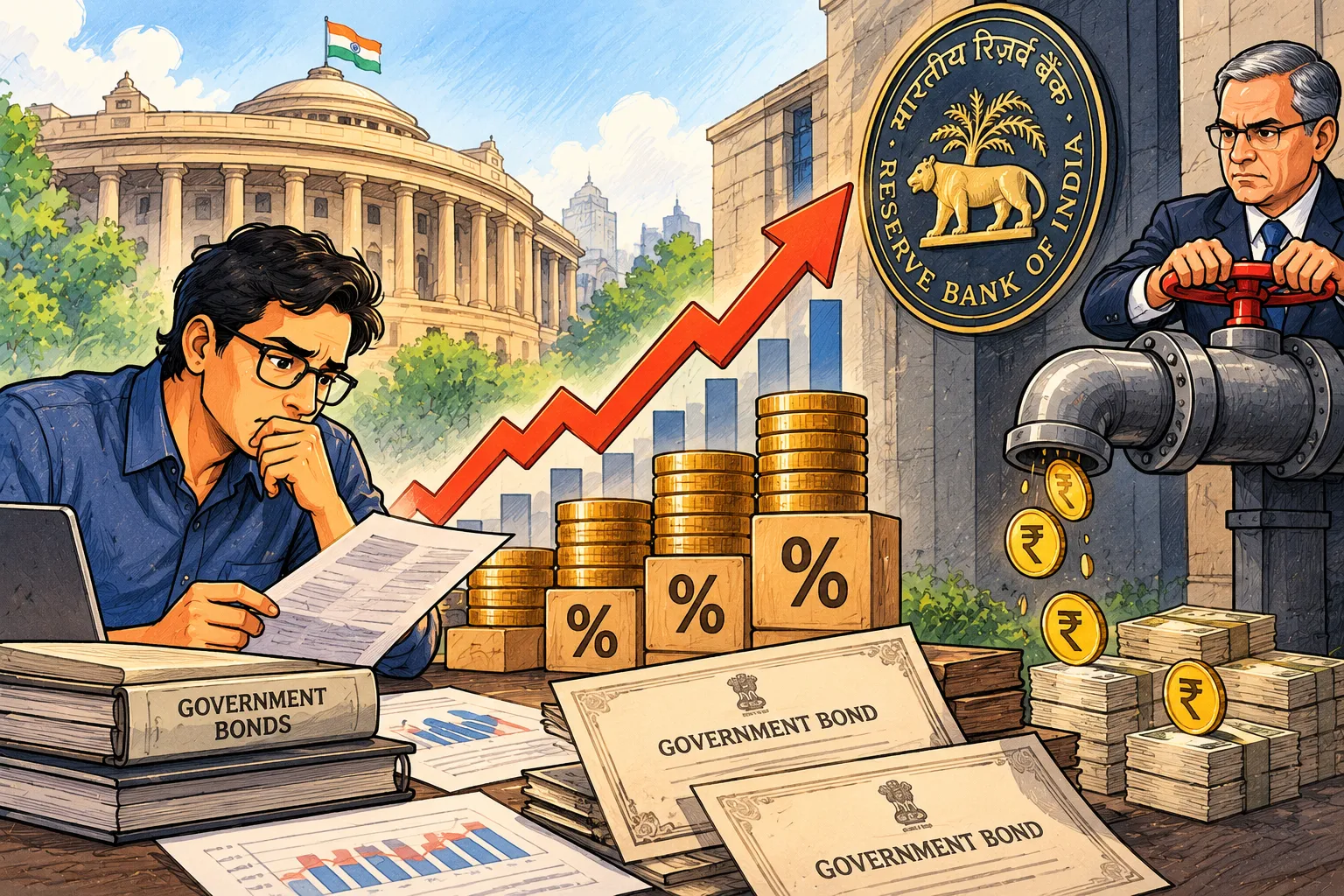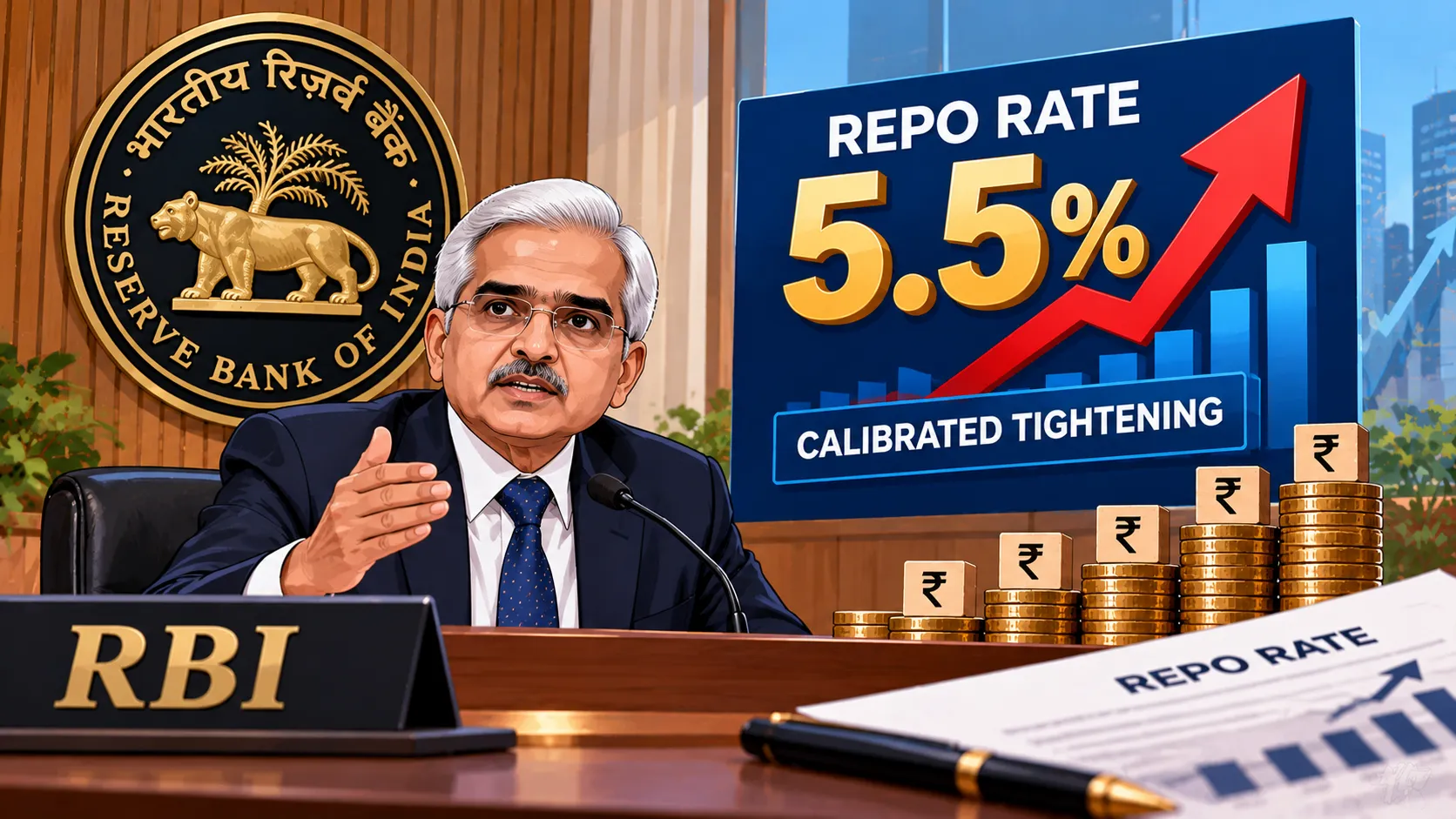

The National Payments Corporation of India (NPCI) has delayed the UPI MDR, a merchant fee on some larger payments, until just after Diwali. The fee was due on October 15. NPCI will announce the new start date separately.
NPCI Moves the UPI MDR Start past Diwali
On Tuesday, October 13, 2026, NPCI said its UPI and Services Steering Committee had decided to delay the UPI MDR. The fee on select person-to-merchant (P2M) payments will now start right after Diwali. NPCI will share the exact date in a separate notice.
The fee was due to begin on October 15. That left only two days. Shops and payment firms had asked for more time, because the festive season brings some of the busiest weeks of the year.
MDR stands for merchant discount rate. It is a fee that a shop pays to the bank and the payment company that process a digital payment. The customer does not pay it.
A source told Business Standard that the fee structure has not changed. Only the start date moved.
Why the UPI MDR is a Big Change
The UPI MDR is a big change because it ends years of zero-fee UPI for shops. The government announced the 0.40 per cent rate on September 15, with October 15 as the start date.
NPCI designed the plan with industry input. News reports say the MDR money will be shared among the players in the payment chain. It is meant to help fund UPI growth, cyber security and new tools. A summary of the framework adds that 5 per cent of MDR collections would go into a fund to help small merchants adopt UPI.
How the UPI MDR Fee is Built
The plan has three simple parts:
- Rate: 0.40 per cent on P2M payments above ₹2,000.
- Cap: the fee stops at ₹300 per payment.
- Flat fee: ₹5 per payment above ₹2,000 for some groups, such as bill payments, fuel and education.
The cap matters most for big bills. A payment of ₹75,000 at 0.40 per cent comes to ₹300. Above that amount, the fee does not grow.
Will Customers Pay the UPI MDR?
No. Customers do not pay it. The fee falls on merchants. Reports on the framework say shops cannot pass it on to customers, and banks have been told to make sure merchants do not do so.
How Fintech Shares Reacted
Shares of Paytm, Mobikwik and Pine Labs bounced back from their lows on October 13 after NPCI made its announcement. Business Standard reported that Paytm rose 6.6 per cent from the day’s low of ₹1,571 on the NSE. At 1:45 pm IST, it traded at ₹1,673.90, down by less than 1 per cent for the day.
Pine Labs jumped 6.8 per cent from its low and traded 1.25 per cent higher at ₹165. Mobikwik traded up 0.6 per cent at ₹242. These are mid-day prices, so they moved through the session. Earlier, on October 9, the three shares had fallen about 5 per cent on talk of a delay. Outlook Money cited a Moneycontrol report for that.
An analyst quoted by Business Standard called it a relief rally. His reasoning was that the delay lasts weeks, not the months that rumours had suggested. Business Standard had first reported on October 8 that NPCI was weighing a delay to January 1.

Payments and Merchants That Stay Exempt
Three groups stay outside the standard 0.40 per cent rate. P2M payments up to ₹2,000 are one. Person-to-person transfers are another. Small merchants who receive up to ₹1 lakh a month through UPI QR codes are the third.
One news report said NPCI estimates the change will touch only about 4 per cent of merchant transactions. That is NPCI’s own estimate, as reported.
Why Did NPCI Delay the UPI MDR?
NPCI said it kept the festive season in mind. Pushback had also grown in recent weeks. Retail traders’ groups planned a No UPI Day protest for October 2. They dropped it after meeting Finance Minister Nirmala Sitharaman last month.
Merchants and trade bodies said the fee would hit during festival sales, when many purchases cross ₹2,000. They feared that shops might push cash payments or pass the cost on to buyers. They also asked why merchants should pay after years of being urged to adopt digital payments.
On October 8, Finance Minister Sitharaman said that stakeholders in the payments system would decide when the MDR takes effect. One report also said the steering committee was weighing an exemption for businesses with yearly turnover up to ₹40 lakh. That idea was not part of the NPCI statement quoted by Business Standard.
The Supreme Court has also looked at the issue. It declined to stay the fee but sent notices to the Centre, the Reserve Bank of India (RBI) and NPCI on a petition against it.
Also Read: HD Fire Protect IPO Opens; Anchors Put In ₹213 Crore
UPI Volumes Keep Climbing
NPCI data show UPI handled 24.07 billion transactions worth ₹29.37 lakh crore in September 2026. Volume rose about 23 per cent from a year earlier. Value rose 18 per cent.
UPI averaged 802 million transactions a day in September. The average daily value was ₹97,913 crore. Volume slipped 1.8 per cent from August’s 24.51 billion. September has one day fewer than August, which explains part of that dip.
When Will the UPI MDR Start Now?
NPCI has not given a date yet. It said the fee will start immediately after Diwali, on a date it will notify separately. The best place to watch for that notice is NPCI itself. Until then, the October 15 date no longer applies.
The Fee Amount Stays the Same
The fee amount does not change, according to the source quoted by Business Standard. The 0.40 per cent rate, the ₹300 cap and the flat ₹5 fee all stay as announced. The delay only gives shops and payment firms a breather during the festive season.