India’s 10-year government bond yield rose to 7.3707% on October 12, its highest level in three years. The sell-off followed RBI steps to drain banking-system liquidity, including a ₹25,000 crore bond sale scheduled for October 13.
How Far the Benchmark Yield Moved
The yield on the benchmark 6.94% 2036 bond rose to 7.3707% by 10:20 am IST on Monday, from 7.2994% at Friday’s close. That is the highest level since 2023.
The move extends a long run higher. The 10-year yield has now risen for eight consecutive weeks, gaining 54 basis points over that period. That is 0.54 percentage points, which puts the yield at roughly 6.83% eight weeks ago.
A trader at a primary dealership had expected the benchmark to trade in a narrow 7.26% to 7.32% band at the start of the week, according to a Reuters report carried by Business Recorder. The yield broke well above that range once the RBI measures sank in.
The RBI Measures Behind the Sell-Off
The central bank announced two liquidity-tightening steps over the weekend, listed below.
- A sale of government bonds worth ₹25,000 crore (250 billion rupees, about $2.58 billion) on Tuesday, October 13
- A requirement for banks to maintain 99% of their daily cash reserve requirement from October 16, up from 90% at present
The two steps take effect in stages. The bond sale happens on Tuesday, October 13, and the higher cash reserve requirement applies from Friday, October 16. The bond sale adds supply of government securities to the market while absorbing cash from the banking system. The higher daily maintenance requirement leaves banks with less flexibility in managing their cash balances.
The RBI also announced measures to support the rupee, which is trading near record lows. It will redirect oil companies’ dollar purchases away from the spot market, letting them buy directly from the central bank, and it tightened hedging rules.
Why Tighter Liquidity Pushes Yields Higher
Banks are major buyers of government securities. When the banking system has abundant surplus cash, banks have more room to invest in bonds, and when liquidity tightens, that capacity can shrink.
If demand for bonds weakens, prices fall and yields rise. Bond prices and yields move in opposite directions, so a three-year high in the yield reflects falling prices on the benchmark security.
Foreign exchange operations can also drain cash from the system indirectly. Reuters noted that the RBI’s currency steps, alongside its direct liquidity measures, weighed on demand for bonds.

A Change From the Recent Policy Meeting
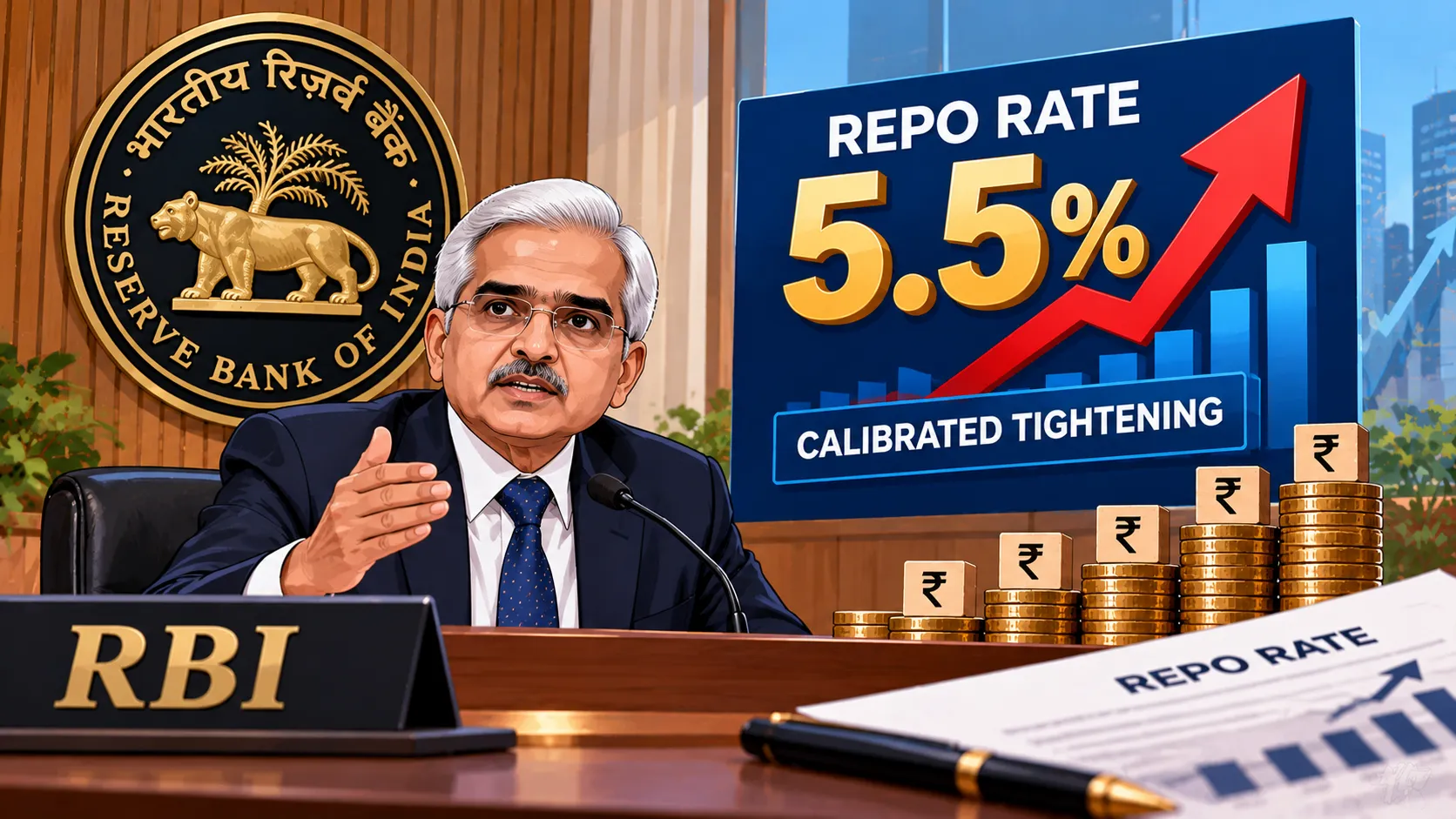
The measures mark a shift from the RBI’s October policy meeting. At that meeting, the central bank raised the repo rate for the first time in nearly four years and moved to a stance of calibrated tightening, which hinted at more increases in the months ahead.
No fresh steps to absorb surplus liquidity were announced at that meeting. Governor Sanjay Malhotra had indicated that the rise in surplus cash in the banking system was likely to be temporary.
The weekend announcements therefore changed expectations in the bond market, which had been operating with high surplus liquidity. Investors now have to price a central bank that is acting on both interest rates and system cash at the same time.
Also Read: Retail Inflation Rises to 5.54% in September as Food Surges
Oil, Inflation and Equity Market Reaction
Elevated crude oil prices added to the pressure. Brent crude stayed above $100 a barrel, which keeps inflation and government finances in focus given India’s dependence on imported oil, according to Kotak Neo’s report.
Investors were also waiting for September retail inflation data, due later on Monday. The Reuters poll cited by The Economic Times expected consumer inflation of 5.4% year on year. The actual reading, released later in the day, was 5.54%.
Rising bond yields were among the pressures on the equity market on Monday. The Sensex and Nifty erased early gains and moved lower during the session as investors weighed tighter liquidity, foreign institutional investor selling and the climb in government bond yields.
The outcome of Tuesday’s ₹25,000 crore bond sale will show how much demand there is for government securities at current yield levels. Market participants will also watch how banks adjust to the higher daily cash reserve requirement that applies from October 16.