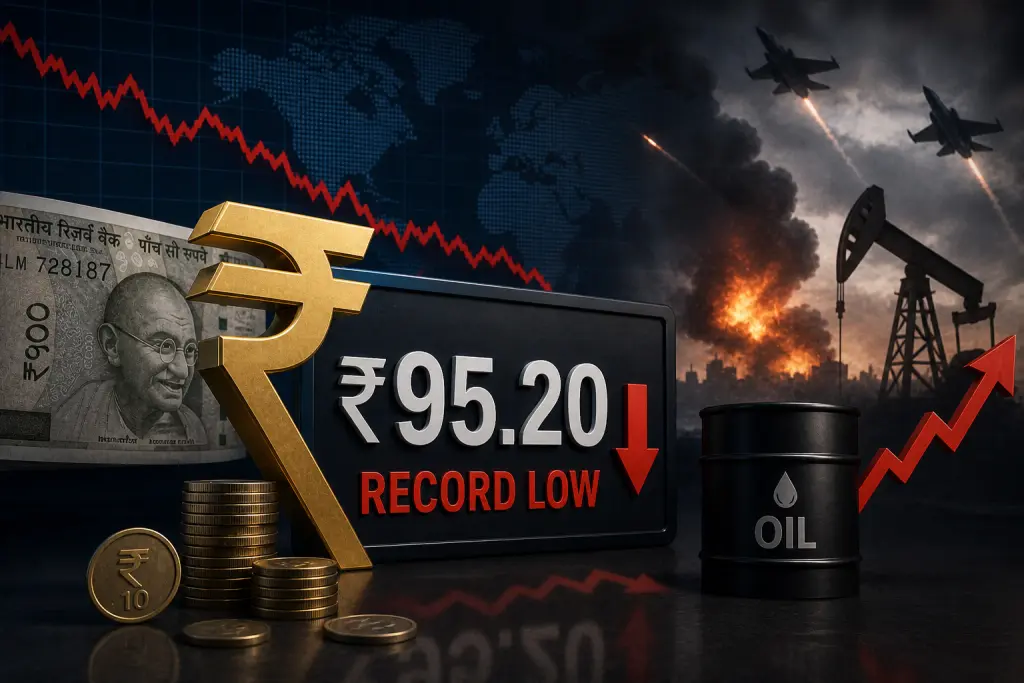
India's economic landscape continues to evolve as the nation navigates through global uncertainties while maintaining its position as one of the world's fastest-growing major economies. Recent developments in GDP growth, inflation management, and monetary policy decisions by the Reserve Bank of India are shaping the country's financial trajectory. The rupee's performance against the dollar and the government's fiscal management remain critical factors influencing investor sentiment and market dynamics.
GDP Growth Momentum and Economic Indicators
India's Gross Domestic Product has demonstrated resilience despite global headwinds, with economic growth remaining robust across multiple quarters. The latest data indicates that domestic consumption and investment demand continue to drive economic expansion, supported by government infrastructure spending and private sector revival. Manufacturing activity has shown positive momentum, while the services sector maintains its strong contribution to overall GDP growth.
The Central Statistics Office data reveals that key economic indicators point towards sustained growth, with industrial production figures reflecting improved manufacturing performance. Private consumption expenditure, which accounts for a significant portion of GDP, has recovered substantially from pandemic lows, indicating renewed consumer confidence. Investment activity has picked up pace, particularly in infrastructure and technology sectors, contributing to the overall economic momentum.
Corporate earnings across various sectors have shown improvement, reflecting the underlying strength of the economy. Banking sector performance has been particularly noteworthy, with reduced non-performing assets and improved credit growth supporting economic expansion.
Inflation Dynamics and Price Pressures
Consumer Price Index inflation has remained within the Reserve Bank of India's target range, though food price volatility continues to pose challenges for monetary policy formulation. Core inflation trends suggest that demand-supply imbalances in certain sectors are gradually normalizing, while energy prices remain influenced by global commodity market movements.
Food inflation patterns have shown seasonal variations, with vegetable and cereal prices impacting overall CPI readings. The government's intervention through strategic reserves release and import policy adjustments has helped moderate price pressures in essential commodities. Rural inflation dynamics differ from urban patterns, reflecting varying consumption baskets and supply chain efficiencies.
| Inflation Component | Trend | Key Drivers |
|---|---|---|
| Food & Beverages | Moderate | Seasonal factors, supply chain |
| Core CPI | Stable | Services demand, housing costs |
| Energy | Variable | Global commodity prices |
RBI Monetary Policy Stance and Currency Management
The Reserve Bank of India's monetary policy committee has maintained a calibrated approach to interest rate management, balancing growth support with inflation control objectives. Recent policy decisions reflect the central bank's commitment to ensuring adequate liquidity in the banking system while monitoring inflationary pressures closely.
The rupee's performance against the dollar has shown relative stability, supported by strong foreign exchange reserves and improved current account dynamics. RBI's intervention strategies in the foreign exchange market have helped manage volatility while allowing market forces to determine the currency's direction. Capital flows, including foreign institutional investments and foreign direct investment, have provided support to the rupee's exchange rate stability.
Money supply growth and credit expansion patterns indicate that monetary transmission mechanisms are functioning effectively. Banking sector liquidity conditions remain comfortable, enabling financial institutions to support credit demand from both retail and corporate segments. Investors looking to participate in India's growth story through equity markets often need to open demat account with registered brokers to access investment opportunities.
Fiscal Management and Government Spending
India's fiscal deficit management remains a key focus area for policymakers, with the government balancing growth-supportive expenditure with fiscal consolidation objectives. Revenue collections have shown improvement, supported by better tax compliance and economic activity recovery. GST collections have maintained steady growth, reflecting increased economic activity and improved tax administration.
Capital expenditure allocation towards infrastructure development continues to receive priority, with significant allocations for roads, railways, and digital infrastructure. The government's divestment program and asset monetization initiatives are expected to provide additional fiscal resources while improving public sector efficiency. State government finances have also shown gradual improvement, contributing to overall fiscal health.
Public debt metrics remain within manageable ranges, though monitoring debt sustainability continues to be important for long-term fiscal health. The quality of government spending, with emphasis on productive investment rather than consumption, supports sustainable growth prospects.
Market Sentiment and Investment Climate
Economic fundamentals continue to support positive investor sentiment in Indian markets, with both domestic and international investors showing confidence in the country's growth trajectory. The stock investment landscape reflects optimism about corporate earnings prospects and economic recovery sustainability. Market participants closely monitor economic data releases and policy announcements for directional cues.
Foreign portfolio investor flows have shown resilience, despite global market volatility and geopolitical concerns. Domestic institutional investors, including mutual funds and insurance companies, continue to provide stability to market movements. The expansion of retail investor participation through digital platforms and improved market access has broadened the investor base significantly.
Trading platform accessibility and technological improvements have democratized market participation, enabling more efficient price discovery and liquidity provision across various market segments.
Outlook for Economic Growth and Policy Direction
India's economic prospects remain constructive, supported by structural reforms, demographic advantages, and increasing digitalization across sectors. Policy continuity and reform implementation are expected to sustain growth momentum while addressing emerging challenges. The focus on manufacturing competitiveness through production-linked incentive schemes and infrastructure development creates positive conditions for sustained economic expansion.
Global economic conditions and commodity price movements will continue to influence India's economic performance, requiring adaptive policy responses. The emphasis on renewable energy transition and sustainable development goals aligns with global trends while creating new growth opportunities for the economy.
Conclusion
India's economic fundamentals demonstrate resilience and growth potential, with key indicators pointing towards sustained expansion. The interplay between monetary policy effectiveness, fiscal discipline, and structural reforms creates a supportive environment for long-term economic development. While global uncertainties persist, India's diversified economy and policy flexibility position it well to navigate challenges while capitalizing on emerging opportunities in the evolving global economic landscape.