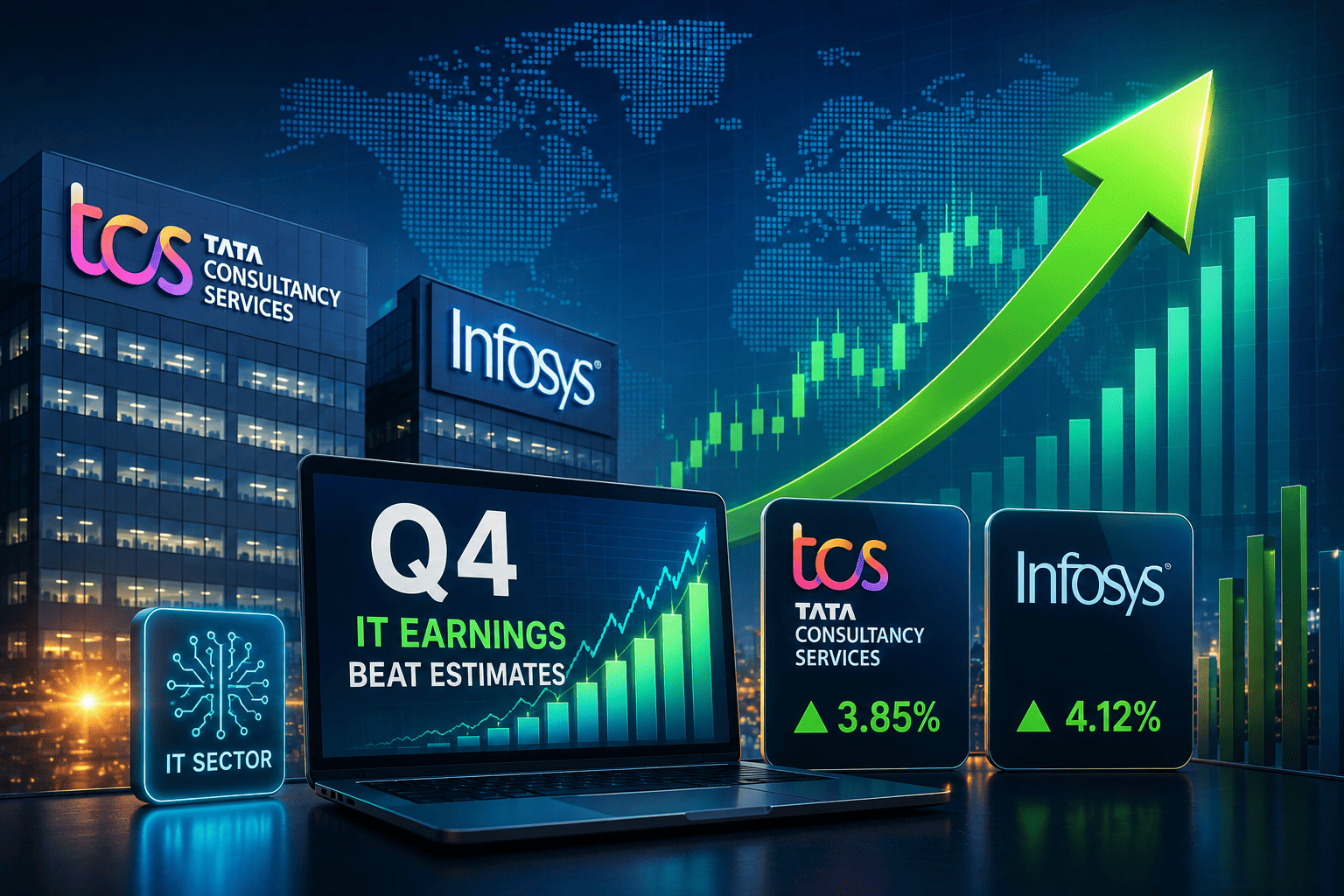
The BSE Sensex scripted history on Friday, surging past the 75,000-mark for the first time ever as foreign institutional investors unleashed a massive buying spree that sent Indian equities soaring to unprecedented heights.
What's driving the banking market today?
Friday's market session witnessed an extraordinary surge driven primarily by a remarkable ₹3,200 crore inflow from foreign institutional investors (FIIs), marking one of the strongest single-day buying sprees in recent months. The benchmark Sensex closed with gains of over 450 points, breaching the psychologically significant 75,000 level that market participants had been eyeing for weeks.
Banking heavyweights emerged as the primary beneficiaries of this FII buying spree. HDFC Bank, ICICI Bank, and State Bank of India (SBI) led the charge, with each stock gaining between 2.5% to 3.8% during the session. The banking sector's rally was particularly noteworthy as it came amid expectations of continued economic growth and improving asset quality metrics across major lenders.
Market analysts attribute this surge to a confluence of factors including stronger-than-expected corporate earnings, stable macroeconomic indicators, and renewed confidence among international investors in India's growth story. The rupee's relative stability against the dollar and crude oil prices holding below $85 per barrel have provided additional support to investor sentiment.
Impact on Indian markets
The Nifty50 index mirrored the Sensex's performance, closing above the 22,800 mark with gains of approximately 1.9%. Financial services and automobile sectors emerged as the standout performers, with both sectors registering gains in the range of 2-3%. This broad-based rally indicates healthy market participation across various segments.
What made Friday's session particularly encouraging was the outperformance of broader markets. Mid-cap and small-cap indices surged over 1.5% each, suggesting that the rally wasn't confined to large-cap stocks alone. This widespread participation often signals sustainable momentum and indicates that stock investment opportunities are emerging across market capitalizations.
The automobile sector's strong showing was led by Maruti Suzuki and Mahindra & Mahindra, both of which contributed significantly to the day's gains. The sector's performance comes on the back of robust festive season demand and improving rural consumption patterns, which have boosted investor confidence in auto stocks.
Stocks and sectors in focus
Beyond banking and automobiles, several other sectors caught investors' attention. Information technology stocks showed resilience despite global headwinds, with major players maintaining steady performance levels. The pharmaceutical sector also witnessed selective buying, particularly in companies with strong export credentials.
For retail investors looking to open demat account and participate in this rally, experts suggest focusing on quality large-cap stocks that have strong fundamentals and reasonable valuations. The current market environment favors companies with robust balance sheets and consistent earnings growth patterns.
Market veterans point out that the current levels represent a significant milestone for Indian equity markets. The journey from 70,000 to 75,000 for the Sensex took approximately eight months, which is considered healthy given the magnitude of the move. This gradual ascent, supported by strong fundamentals rather than speculative buying, provides a solid foundation for further upward movement.
What should investors do?
While the current momentum is undeniably positive, seasoned market observers advise caution at these elevated levels. The rapid ascent to 75,000 may trigger profit-booking activities in the near term, particularly among short-term traders using various trading platform options to capitalize on intraday movements.
Investment advisors recommend a balanced approach at current levels. Investors with overextended positions might consider booking partial profits while maintaining exposure to quality large-cap stocks that continue to demonstrate strong fundamentals. The strategy of systematic investment plans (SIPs) remains relevant even at these heights, as it helps average out market volatility over the long term.
Sector rotation could become a key theme in the coming sessions. While banking and auto stocks have led the current rally, investors should watch for opportunities in sectors that have underperformed but possess strong fundamentals, such as fast-moving consumer goods (FMCG) and select pharmaceutical companies.
Key Takeaways
This article is for informational purposes only and does not constitute investment advice.